End mills and taps may be designed to cut through hardened steel, but round tooling still needs to be handled with care.
Case Details
Handling and Caring for End Mills and Taps
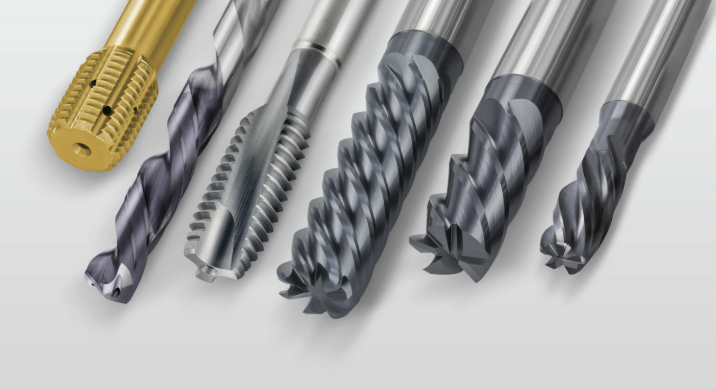
End mills and taps may be designed to cut through hardened steel, but round tooling still needs to be handled with care. It’s tempting to think of end mills and taps as both indestructible and disposable at the same time—they’re designed for hard jobs, yet they are sometimes fully consumed after a single use. But metalworking specialist Mark Fine advises treating high-speed steel and carbide cutting tools as an investment to be protected. It could save your shop money in the long run.
Not only will maintenance and careful storage prolong the useful life of your tooling, but taking care to protect the cutting edge will also maximize the number of times the tool can be reground and brought back into use. Mark emphasizes these five care and handling tips to help you get the most out of your end mills and taps:
- Watch Those Edges A high-speed steel or carbide cutting face is only designed to take stress from one direction. The tool’s cutting face is incredibly resilient to steady pressure applied to its leading edge, but a hard impact to the tool’s trailing edge can chip the cutting face. Using a tool with a chipped edge can cause unexpected failure in the machine, which can be very expensive.
- Keep it in the Case There’s a reason round tooling pieces are shipped from the factory in fitted casings. The protective sleeve they came in can help keep tools safe in the shop, too. If possible, leave the tap in its original packaging until you’re ready to fit it into the collet. That will ensure the tool stays clean and undamaged prior to use.
- Organize Storage and StagingA disorganized drawer full of cutting heads is a recipe for disaster. If the cutting faces on two tools come into contact with one another, both tools can be easily damaged. Leaving your end millsand taps in their protective sleeves is a good way to keep them from crashing into one another, but you may also consider investing in a storage index or crib that will keep your cutting heads organized and hold them securely in place by the shank while in storage.
- Clean Up Carefully The cutting head might be consumed during a single process, but most end mills and taps are potentially reusable.Cutting Tool Engineeringreports that a typical end mill can be reground up to six times, bringing a fully consumed tool back into service for a fraction of its replacement cost.
But the ability to regrind an end mill or tap depends on the integrity of the cutting face. If the edge is intact, the tool head can likely be reground to its original specifications and brought back into use. A tool with a chipped edge, however, may require refluting, which is expensive and greatly reduces the future life of the tool. A severely damaged cutting tool may be beyond repair, so it’s important to continue protecting the tool after use, even if it needs to be reground. Take as much care to protect the cutting edge as you would if the tooling were brand new.
- Maintain Records Finally, you’ll want to keep track of how many hours of use each tool head has endured. Logging your usage will ensure that you’re selecting a cutting head that will be able to finish the job, and you’ll know when to send heads back for regrinding before a fully consumed tool slows down production.
End mills and taps may be designed to cut through hardened steel, but round tooling still needs to be handled with care. It’s tempting to think of end mills and taps as both indestructible and disposable at the same time—they’re designed for hard jobs, yet they are sometimes fully consumed after a single use. But metalworking specialist Mark Fine advises treating high-speed steel and carbide cutting tools as an investment to be protected. It could save your shop money in the long run.
Not only will maintenance and careful storage prolong the useful life of your tooling, but taking care to protect the cutting edge will also maximize the number of times the tool can be reground and brought back into use. Mark emphasizes these five care and handling tips to help you get the most out of your end mills and taps:
- Watch Those Edges A high-speed steel or carbide cutting face is only designed to take stress from one direction. The tool’s cutting face is incredibly resilient to steady pressure applied to its leading edge, but a hard impact to the tool’s trailing edge can chip the cutting face. Using a tool with a chipped edge can cause unexpected failure in the machine, which can be very expensive.
- Keep it in the Case There’s a reason round tooling pieces are shipped from the factory in fitted casings. The protective sleeve they came in can help keep tools safe in the shop, too. If possible, leave the tap in its original packaging until you’re ready to fit it into the collet. That will ensure the tool stays clean and undamaged prior to use.
- Organize Storage and StagingA disorganized drawer full of cutting heads is a recipe for disaster. If the cutting faces on two tools come into contact with one another, both tools can be easily damaged. Leaving your end millsand taps in their protective sleeves is a good way to keep them from crashing into one another, but you may also consider investing in a storage index or crib that will keep your cutting heads organized and hold them securely in place by the shank while in storage.
- Clean Up Carefully The cutting head might be consumed during a single process, but most end mills and taps are potentially reusable.Cutting Tool Engineeringreports that a typical end mill can be reground up to six times, bringing a fully consumed tool back into service for a fraction of its replacement cost.
But the ability to regrind an end mill or tap depends on the integrity of the cutting face. If the edge is intact, the tool head can likely be reground to its original specifications and brought back into use. A tool with a chipped edge, however, may require refluting, which is expensive and greatly reduces the future life of the tool. A severely damaged cutting tool may be beyond repair, so it’s important to continue protecting the tool after use, even if it needs to be reground. Take as much care to protect the cutting edge as you would if the tooling were brand new.
- Maintain Records Finally, you’ll want to keep track of how many hours of use each tool head has endured. Logging your usage will ensure that you’re selecting a cutting head that will be able to finish the job, and you’ll know when to send heads back for regrinding before a fully consumed tool slows down production.


